Address
House 6/3, Rd 01, Prantika R/A, Nirala

Bangladesh Environment and Development Society (BEDS) is a leading community-based non-profit organization dedicated to solving complex environmental and social challenges in Bangladesh. Recognized globally, BEDS proudly received the prestigious Equator Prize in 2024 and the National Environment Award of Bangladesh in 2022, along with several other national and international honors. Founded with a vision to promote harmony between people and nature, BEDS works hand in hand with local communities—respecting indigenous knowledge, culture, and ecological wisdom—to restore ecosystems and strengthen resilience.
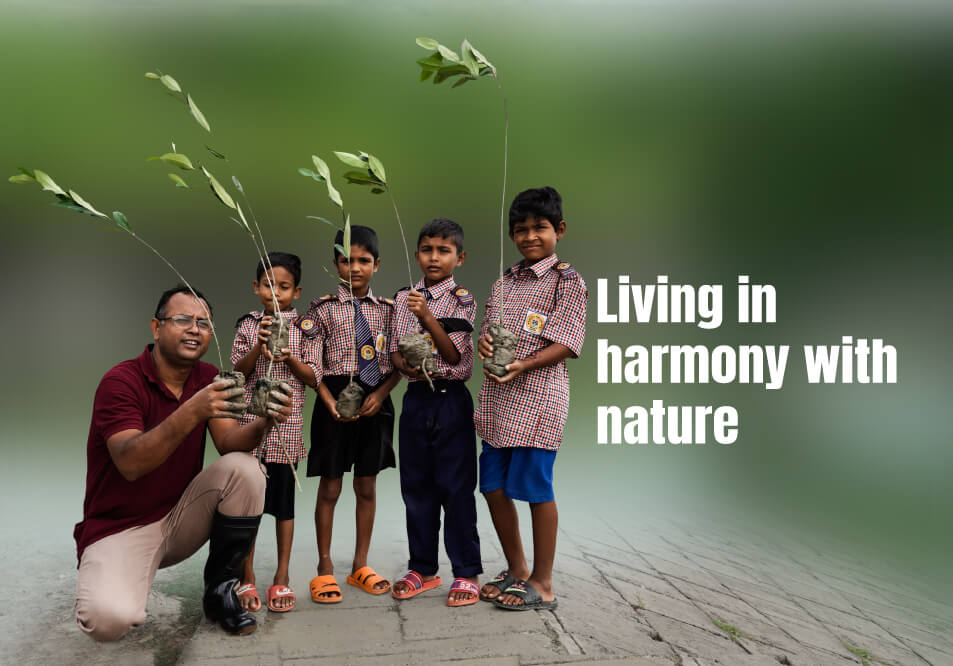


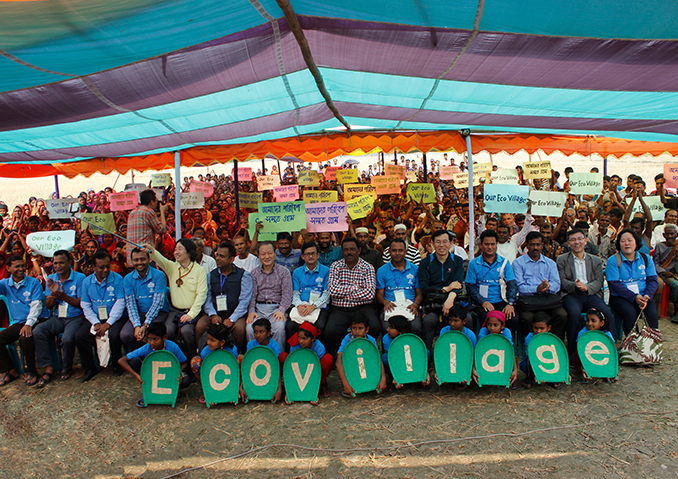
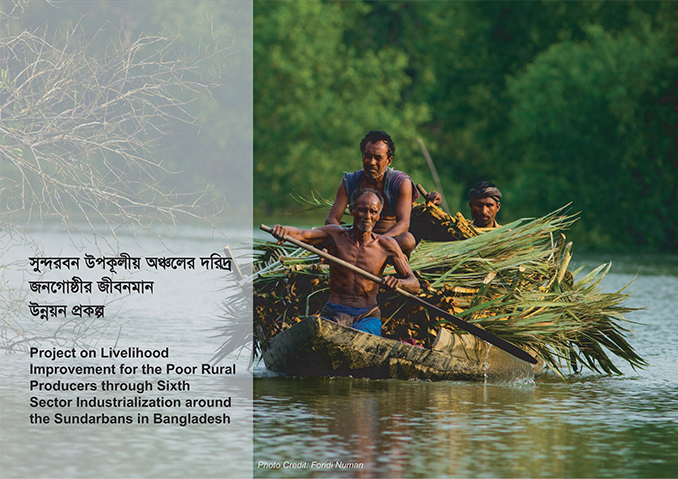
Bangladesh is a very small country with an area of 1, 47,570 square kilometer having an exaggerated number of population (160 million). Sundarbans coastal region of Bangladesh is the front line of global climate change due to its geographic location. The Sundarbans is the single largest Mangrove forest in the World. The Sundarbans mangrove flagship ecosystem is the natural safeguard and provides livelihood support to almost 3.5 millions of coastal people. But, the Sundarbans adjacent communities don't engage themselves in conservation activities rather they are involved in unsustainable resources harvesting and using activities due to their poverty and lack of education. Bangladesh Environment and Development Society (BEDS) and Korea Green Foundation (KGF) have been trying to promote ecological balance and create harmony between humans and nature by establishing an eco village in the Sundarbans coastal region of Bangladesh for solving the major complex social and environmental problems such as poverty, drinking water, electricity, cooking fuel, riverbank erosion, education, natural resources management, woman empowerment etc. Eco Village BEDS was divided into three components included Green Housing, Green Education, and Green Business. Eco Village is the best way to solve complex social and environmental problems by the local people without harming the ecosystem and achieve the SDGs. Under the Green Housing component, 4,594 people are getting 12, 000 litters/day safe drinking water with ATM facilities; 375 households received fuel-efficient cooking stoves. 2,800 solar lamps, 1,700 solar panels, 504 solar home systems and 100 solar generators, 200 batteries have been provided among 3,000 families. 11.2 kW/hour and 7.5 kW/hour solar stations have been installed at public institutions. A total of 150,000 mangroves and nearly 130,000 social trees have been planted on the river bank and in the school yards. Climate adaptive house design is introduced with the 3000 families. A native seed preservation house is established to protect the native variety. Under the Green Education component, 4,050 students from 25 schools are getting basic environmental education. 340 villagers are learning environment-friendly farming and fishing techniques. Under the Green Business component, 90 local tour operators and 60 local tour guides received training on eco tourism. 60 families got training on local culture and heritage promotion and 45 women received handicraft training and sewing activities.
Duration: June 2015 to April 2020
Location: Banishanta Union under Dacope sub-district of Khulna in Bangladesh (Sundarbans coastal region)
Theme: Drinking water, Solar energy, Livelihood and Mangrove Ecosystem
Partners: Korea Green Foundation (KGF)
Donors: SAMSUNG, Community Chest of Korea, URI Bank, Green People, Enabling People